

















Whether it takes the form of intense exercise, substance use or something else entirely, self-medicating stress, anxiety and depression has become a reality for many university students. As academic, social and financial pressures accumulate, the line between everyday coping and harmful habits can become increasingly more difficult to draw.
Students (and, arguably, many other populations) are facing a lot of stressors. An uncertain labor market, a deeply polarized political climate and the ever-present influence of social media have reshaped how young adults experience and feel pressure. For many, the added burden of student loan debt lingers in the background, compounding an already high-stress environment.
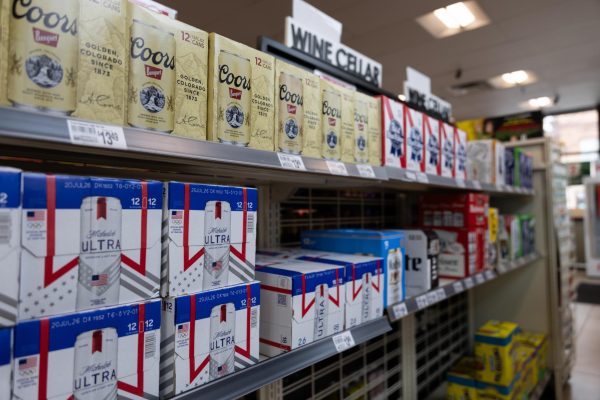
Research from the American Psychological Association highlights the physical toll of chronic stress, while warning that many widely accepted coping mechanisms may ultimately have the opposite effect. Common habits such as nicotine and alcohol use, excessive caffeine consumption, and reliance on highly processed “comfort” foods can provide short-term relief while contributing to long-term health risks.
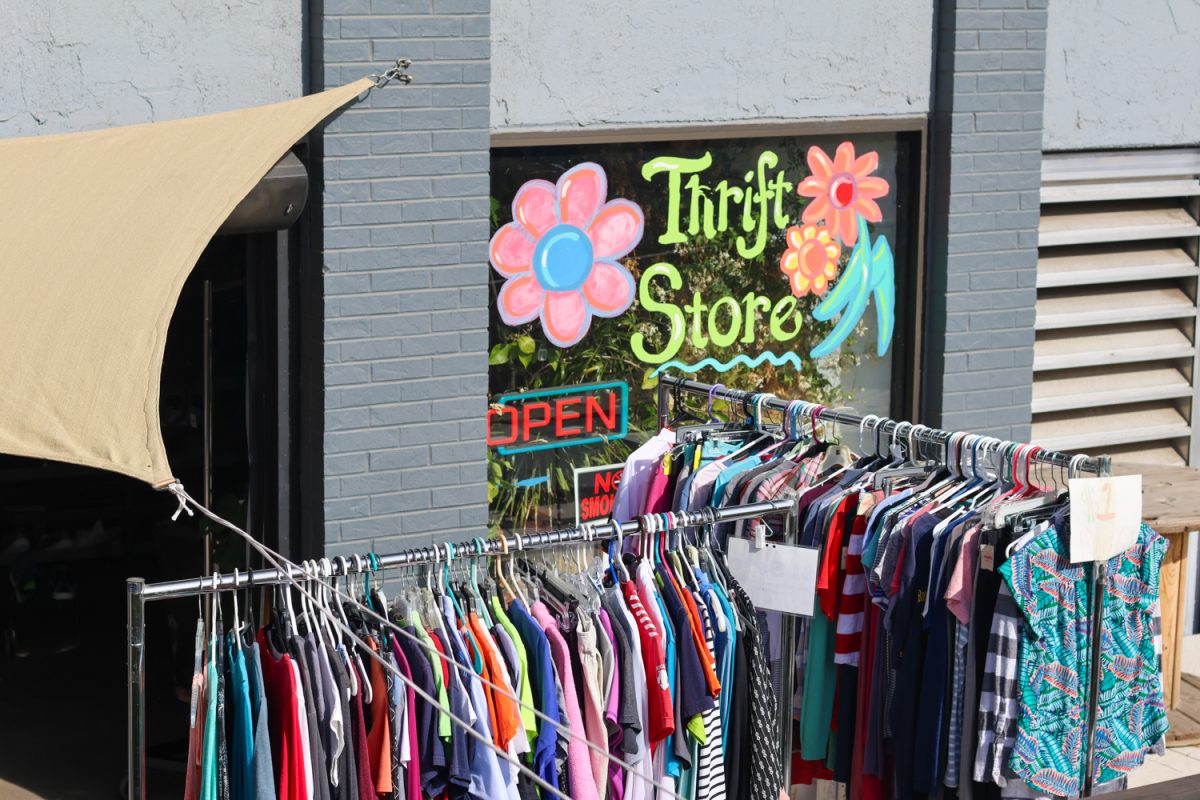
Others describe coping mechanisms that are less often recognized but follow a similar pattern of short-term relief. Steven Flores, a former CSU student, said stress often drives him toward impulsive spending. He described becoming fixated on a specific purchase when overwhelmed, which temporarily alleviates his anxiety. “Once I buy it, I feel fine for a couple of days,” Flores said. “The stress just goes away, but for a little while.”
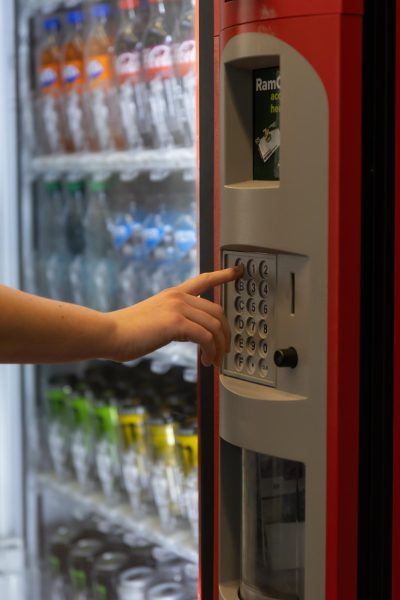
These patterns reflect a broader issue: many coping strategies labeled as harmless, or even productive, can mask underlying stress without addressing its root causes. Over time, reliance on these habits can end up reinforcing cycles of avoidance.
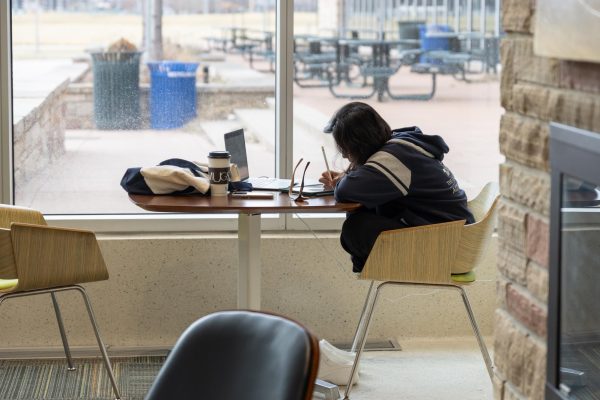
Take Liz French, for example. The STEM senior balances a heavy homework load, vice presidential duties for CSU’s Ranch Horse team, work at a university research lab and an active social life. When asked about maintaining her schedule, she pointed to a familiar cycle. “When I have a lot to do, it usually ends up cutting into my sleep.” Then, she said, she relies on coffee to power through the day (which can end up cutting further into the next night’s sleep).
Although clearly Liz’s approach works for her, the experience reflects a broader cultural normalization of productivity taking precedence over well-being. In many cases, these habits are not seen as maladaptive or potentially harmful, but as expected parts of student and young adult life.
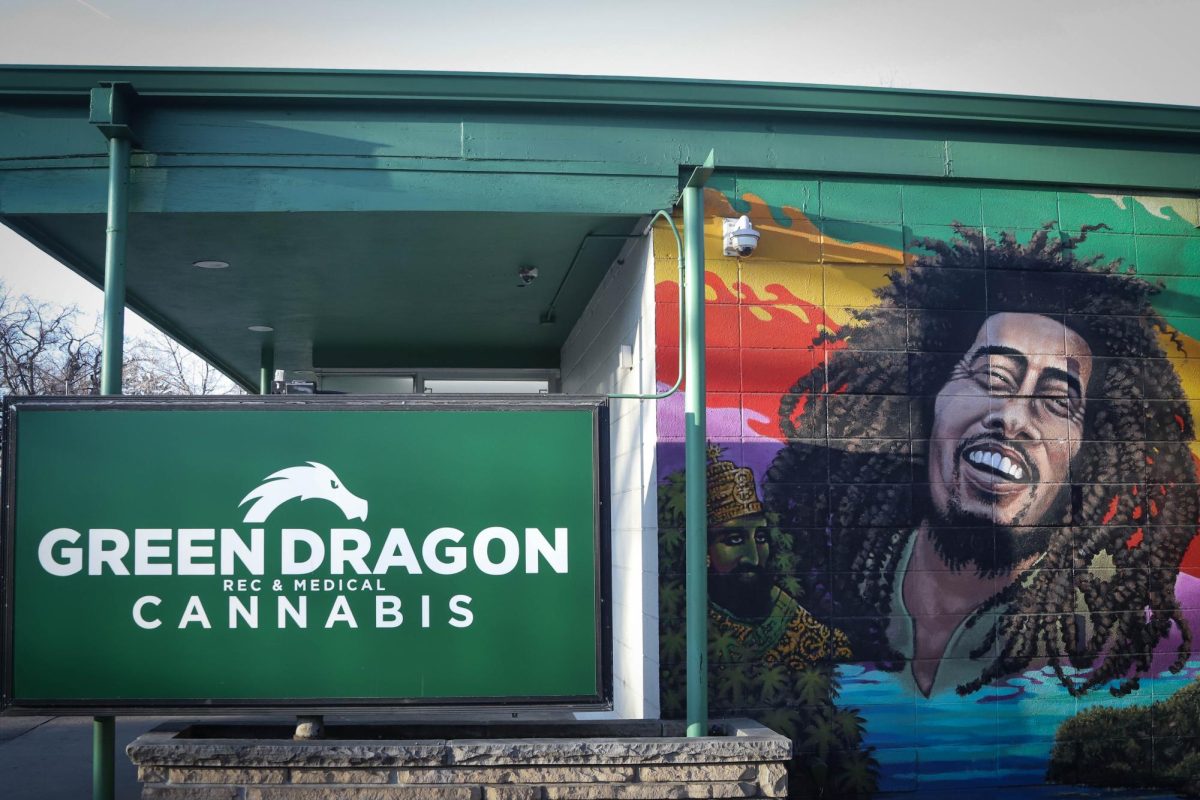
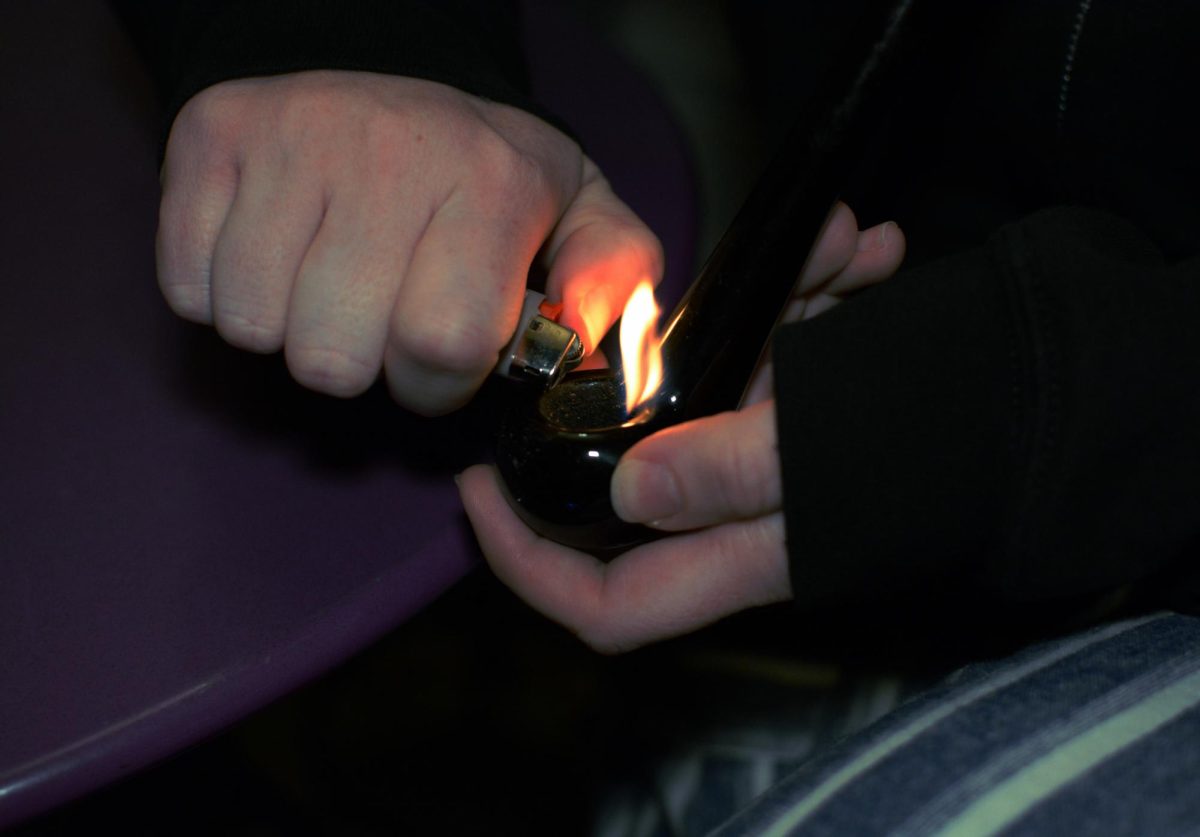
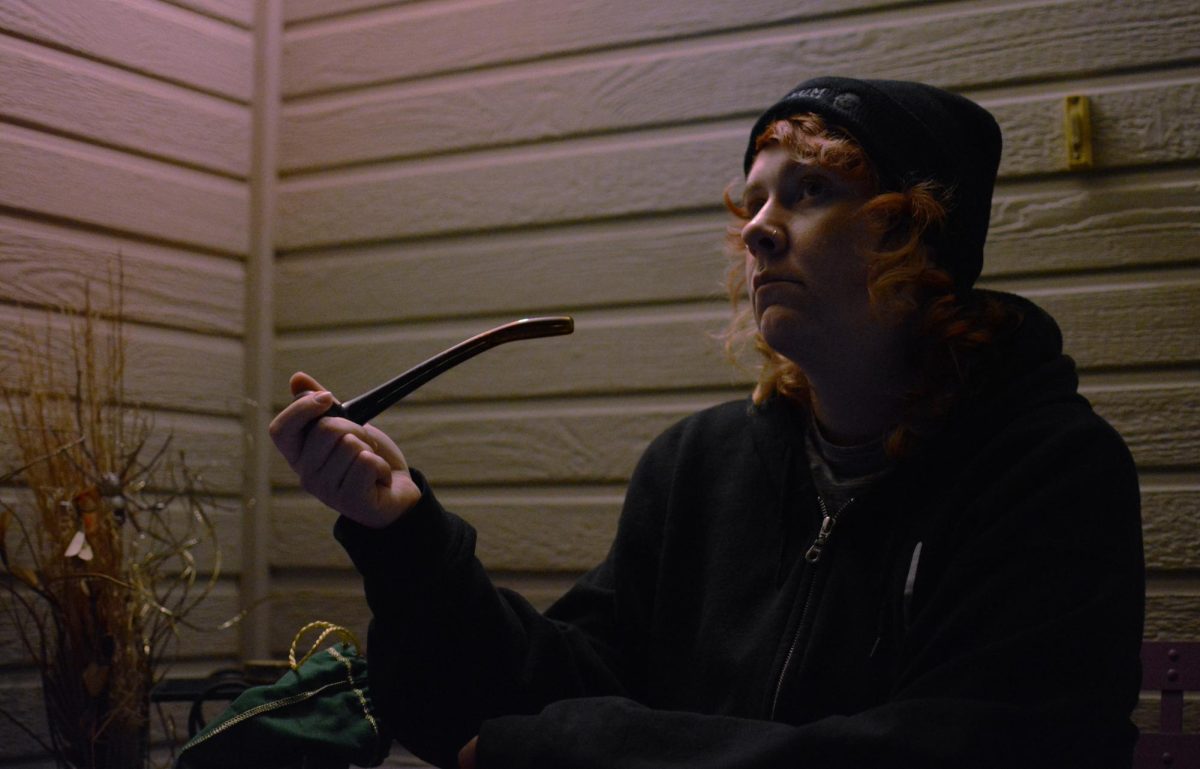
For other students, the use of more controversial substances has become part of that equation. One former CSU student, who requested anonymity due to work-related restrictions, said he occasionally uses marijuana to manage the stress of overwhelming workloads. When deadlines pile up, he turns to small amounts as a way to regain his mental composure. “Just enough to help me focus on one stressor at a time,” he said, describing that he tries to avoid using it as an escape, and more as a way to compartmentalize. Stress management comes in many forms, and some, like this student, have found a way to walk the line between coping and self-medicating by approaching marijuana as a tool rather than a crutch.
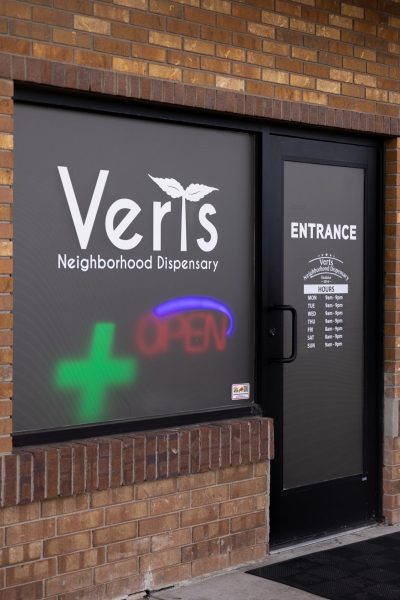
But we must ask, at what point do these habits start to become concerning? Is it when caffeine transitions into more intense stimulants, like recreational Adderall or cocaine? Or when a drink with dinner turns into weeknights spent at the bars?
As students continue to navigate an increasingly complex and demanding landscape, the distinction between coping and self-medication remains critical. What may begin as a manageable, even socially accepted habit can gradually evolve into a dependency that is more difficult to recognize.