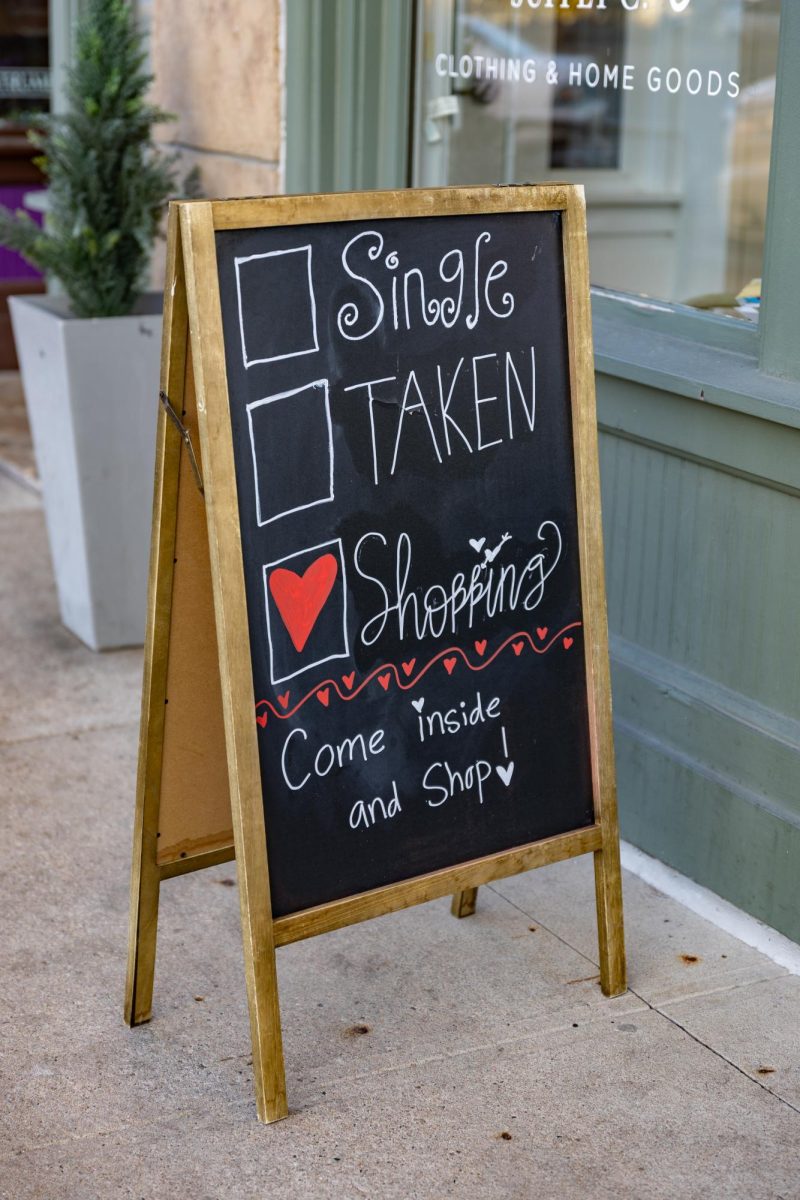
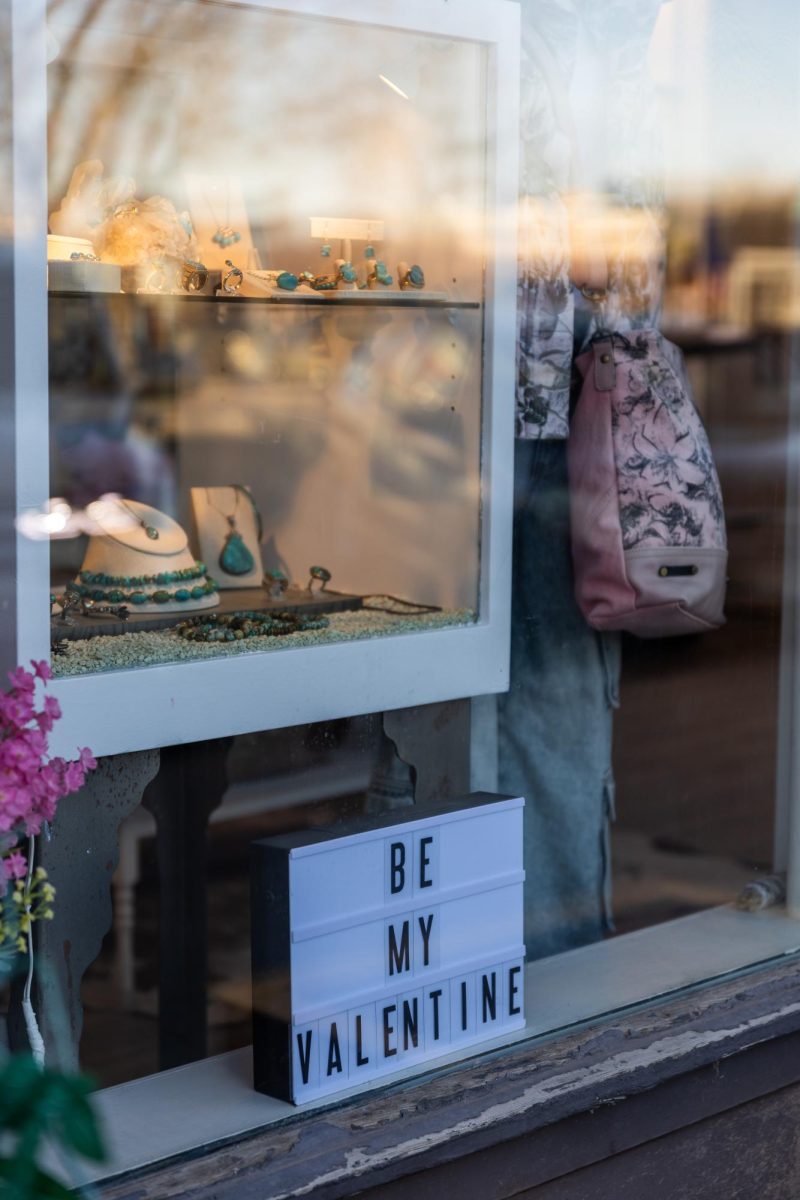

















Valentine’s Day recently passed, and love was in the air. There were flower shops selling roses, candy hearts being exchanged in class, and everyone was hoping to impress their special someone.
At least, that’s what most people imagine. In reality, not everyone has a “special someone,” or even the same interest in romantic or sexual relationships.
Many people identify with the terms aromantic, asexual, or both, referred to as being “aroace.” For them, this expectation regarding romance can become a source of unwanted pressure.
“I have seen so much, like, societal norms,” said Soph Black, a CSU student who identifies as aroace. According to them, this expectation to pursue romance led to an extended relationship they weren’t interested in, and later regretted.
“I realized that the emotions they were showing towards me were not something I could reciprocate. I felt guilty.” they said.
“I eventually told them that ‘I don’t think I can have a relationship in the way that you want me to have a relationship with you,’” Black continued.
Even after ending the relationship, a feeling of guilt is something they continued to experience. Black explained that after having to express romantic love they didn’t feel, expressing their authentic platonic love could feel disingenuous, as it reminded them of that relationship.
“They expressed ‘I love you’ over and over to me, and I said it back in the way that I thought was normal, and now I have issues expressing that to just my friends without feeling like I’m lying,” Black said.
While the pressure of societal expectations can lead to unwanted romantic relationships, that pressure can also be a source of anxiety, especially for individuals figuring out if they’re asexual or aromantic and to what extent.
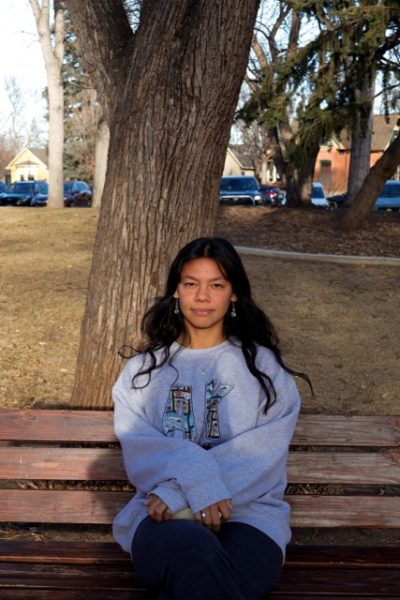
Another student explained that her family is fairly religious, and there was often backlash against experiences not of the stereotypical heterosexual, romantic relationship. Because of these experiences, she preferred to remain anonymous, and will be referred to as Jane.
She explained that, growing up, she felt the same pressure to be interested in romantic relationships, and to her, it felt like something she couldn’t live up to.
“I kind of felt like I was wrong, or that I was behind, or that I wasn’t doing something right… and when I was growing up I didn’t have the freedom to explore any of those aspects of myself,” Jane said.
When others talked about their relationships or crushes, she just couldn’t relate, and this made her feel broken. However, she explained how a conversation with her best friend changed that.
“I was kind of breaking down, not in tears, but like, trying to think through what I was feeling, and she kind of just stopped, was so calm and looked at me … and she said ‘you’re not broken, you’re ok,’” Jane said.
It was through this friend that she first discovered the term aroace, and started reflecting on which relationships she actually wanted.
“Because I grew up in a way that I wasn’t able to express any of those things, it made me realize that there was a world of, really a whole community, of people different from what the world thought everyone should be like,” she said.
She ultimately elaborated that she felt there would be less pressure around romantic and sexual relationships if there was more awareness of aromantic and asexual experiences.
“If I had heard more about that realm and those possibilities, maybe I wouldn’t have felt … broken or wrong,” she said, “and hopefully that would bring more room for open conversation without the need for fear or judgment.”