












As the crisp autumn air settles over Colorado, CSU is preparing for one of its most cherished seasonal traditions: Homecoming Week.
For over a century, homecoming has remained a staple of Colorado State University’s extracurricular life. The event started in 1914 as a small alumni gathering and football game, but has grown into a weekend celebration that honors the university’s history and brings together Rams from all generations. In the early days, alumni returned to the campus Oval to reconnect and reminisce, but over time, it has become a weekend-long event.
The first alumni football scrimmage that inspired the homecoming game took place on Oct. 3, 1914. President Charles Lory invited former students back for a football game against the CSU varsity team. For fun, the alumni team included professors as players, and surprisingly won 3–0. While the 1914 event was called “Alumni Day,” at the time, it set the stage for what homecoming would become: both a reunion and celebration of all walks of Aggie pride.
In 1933, homecoming persisted through the tough economic times brought on by the Great Depression. Despite the limited resources, students hosted informal dances and the annual alumni luncheon. Although World War II interrupted many campus activities, the homecoming of 1945 featured many new traditions. The event introduced a Homecoming Queen, more parades featuring military veterans, and celebrations of the end of wartime austerity.
In 1954, the mascot “CAM the Ram” made his first appearance at homecoming halftime, his name being a clever nod to Colorado A&M. However, it was around this time that the school started its shift from Colorado A&M to Colorado State University, with the school adopting its new name (and modern colors) in 1957.
In the 1970s, Trudi Morrison made history as CSU’s first Black Homecoming Queen. Her election came during a time of national civil-rights movements. African American student organizations hosted their own “Black Homecoming Dance” at Durrell Center. Morrison returned to campus in 1984 as a guest speaker and spoke highly of CSU’s progress toward inclusion and equality.
Alongside advancements in technology and social media, homecoming also began to facilitate a digital reunion. Alumni who couldn’t return to campus watched live streams of the parade and the football game. The Alumni Association began organizing virtual events and photo contests, allowing Rams from around the world to participate.
“The changes really show in the planning,” said Amy Jo Miller, Director of Alumni Marketing and Communications. “We’re working to make this accessible to the whole community, so anyone who wants to be part of CSU’s celebration can join in.”
“The commitment to our community and to keeping the festival welcoming and sustainable really reflects who we are,” said Kristi Boehlander, the Senior Associate Vice President of University Advancement and Executive Director of the Alumni Association, “It’s about the connection between CSU and the Fort Collins community.”
Miller says alumni often see homecoming like “watching history walk by,” a living symbol of tradition.
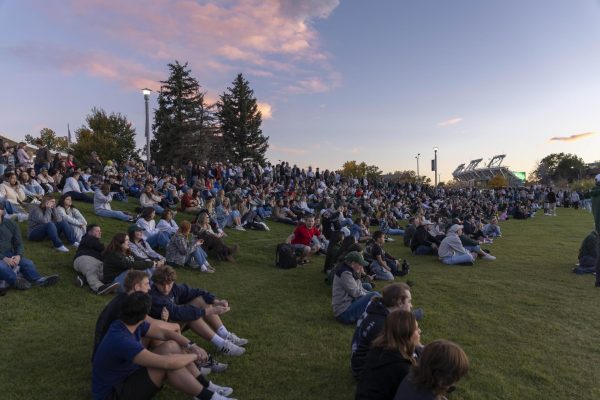
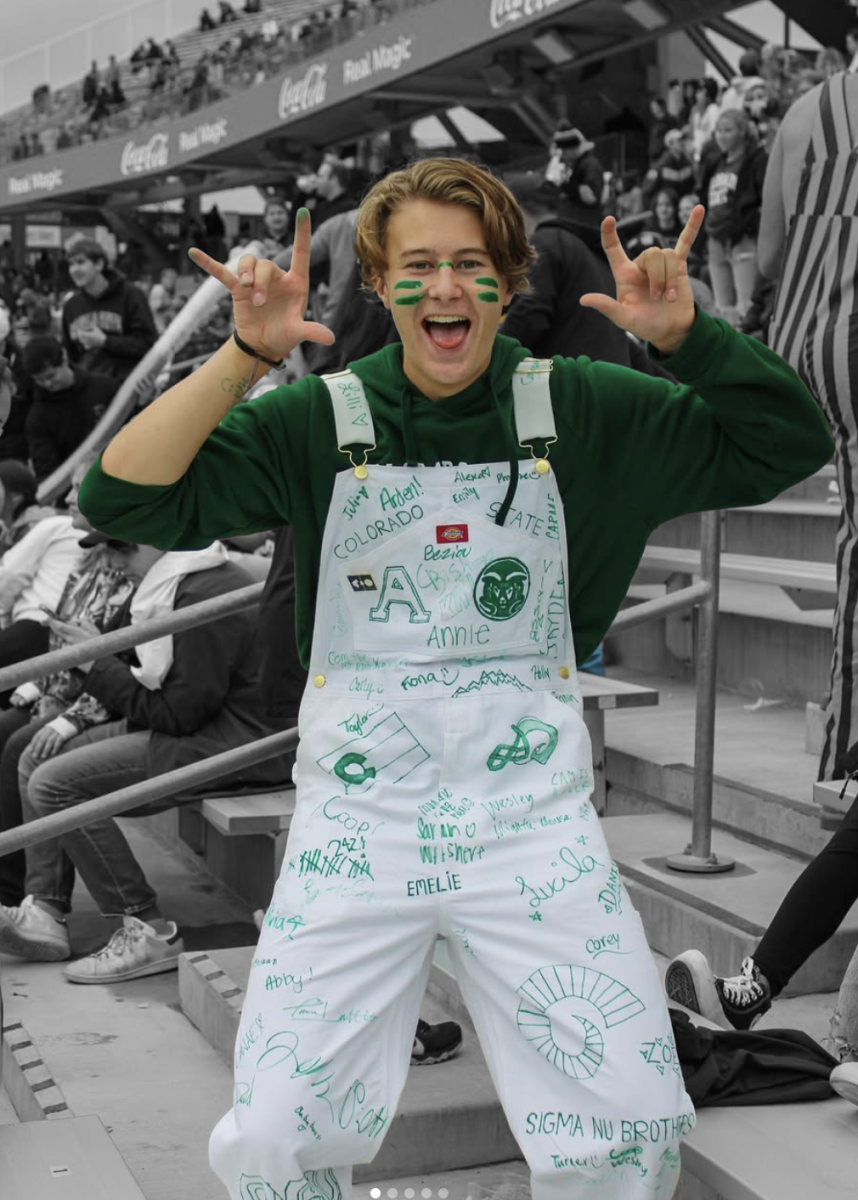
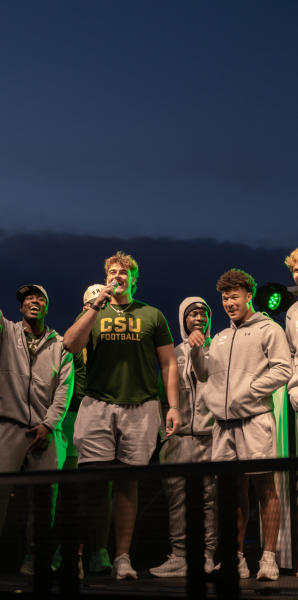
In 2025, the events start with the Homecoming Parade. Student groups, local businesses, and marching bands walk through Fort Collins. The All-University Picnic brings people together on the Oval for fun activities. The Friday Night Lights pep rally and bonfire light up the campus at night. For many, the highlight of the week is the football game at Canvas Stadium.
As its history echoes across campus, homecoming reminds everyone what it means to be part of the CSU family. Each homecoming, memories deepen. Always, the Ram legacy continues, welcoming everyone back home. Once a Ram, always a Ram.