




















It is Jan. 3, and you walk into a department store for the first time since the holidays. Less than two weeks earlier, the store was filled with festive arrangements and displays with ample amounts of Christmas decorations and gifts. Today it looks a little different.
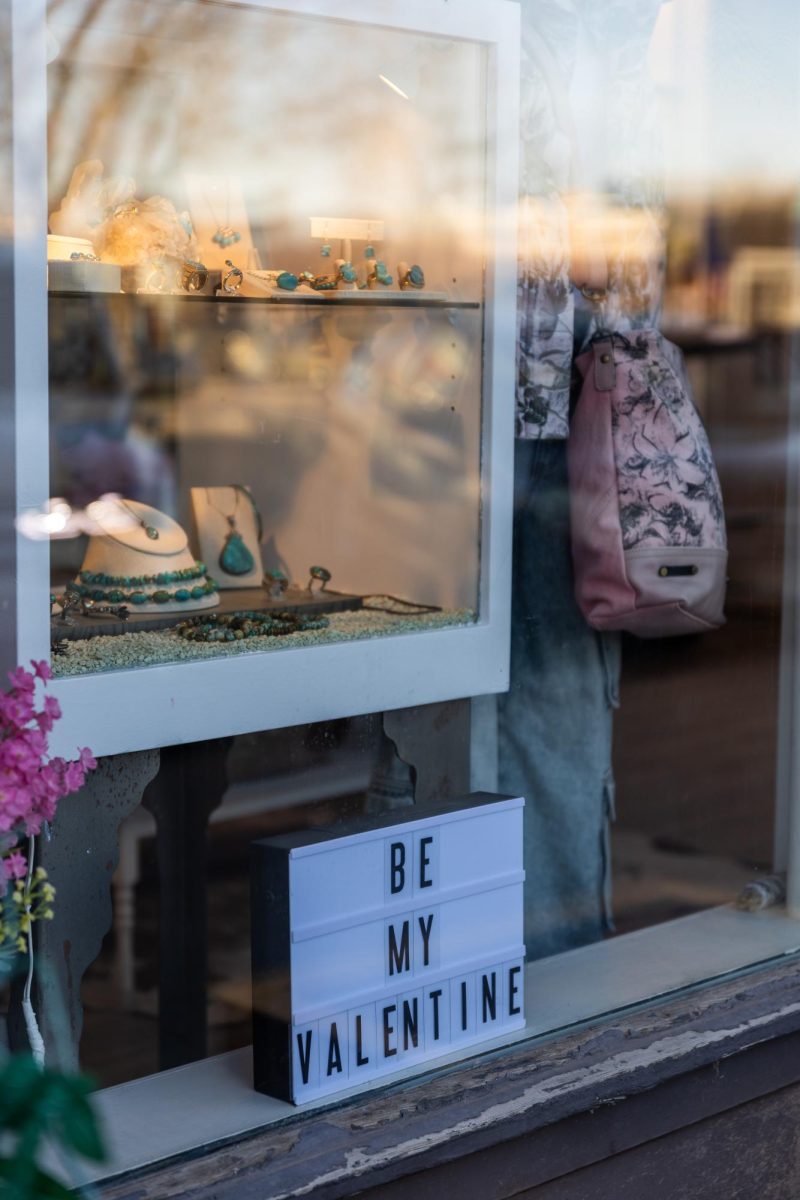
Hues of pinks and reds fill your vision. Candy hearts and decadent chocolates replace the heaps of red and green inventory, which have conveniently been placed in the back of the store with stickers marking them half off.
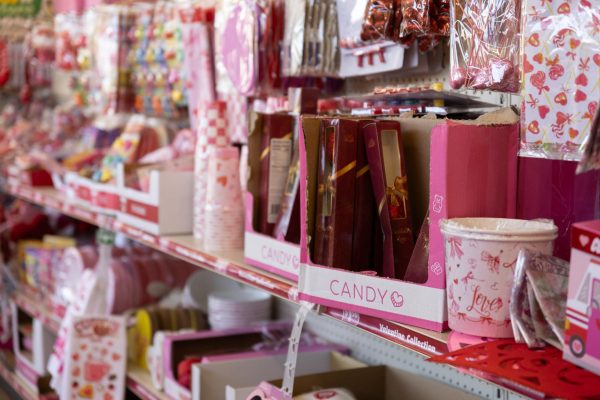
This is the reality of seasonal marketing in the United States, and after February 14th, St. Patrick will take center stage, sending Cupid to the sale rack.
For Americans, Valentine’s Day is associated with bold declarations of love and appreciation. This is traditionally done via gifts, greeting cards, or a fancy dinner with the one you love. But what makes love a purchasable commodity, and what does that say about American consumer culture?
Valentine’s Day has been celebrated in the United States since the 17th century, and up until the invention of advanced printing technology, it was custom to make handwritten letters or gift small mementos to loved ones. Then, in 1916, Hallmark saw their opportunity to profit from the holidays’ cultural traditions and began producing premade Valentine’s greeting cards.
As decades pass and consumerism reaches new highs, businesses have been able to employ targeted marketing strategies to continue profiting off of cultural consumer rituals.
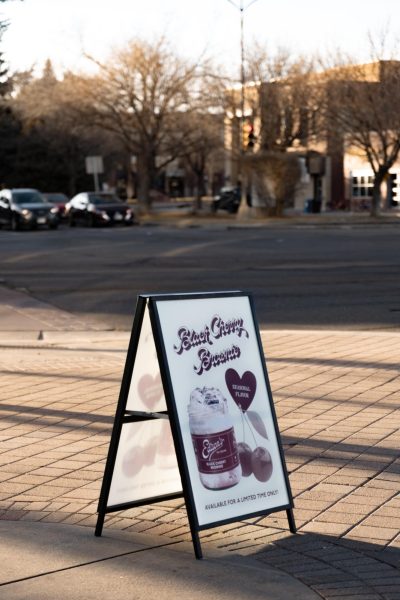
Gina Slejko, an associate marketing professor at Colorado State University who specializes in sensory marketing, shared that “Valentine’s Day is so iconic, with the colors and the decadence; you can almost smell the roses and taste the chocolates. It’s a very sweet holiday. All those sensory attributes create this memory trace for what Valentine’s Day is, and it becomes linked to all the positive and maybe even potentially negative experiences that we have with the holidays.”
Since 1916, this country has endured numerous cultural and consumer shifts, yet Valentine’s Day and other holidays continue on as testaments to the strength of consumer engagement. The National Retail Federation estimates that in 2026 consumers will spend $29.1 billion in total to celebrate the holiday.
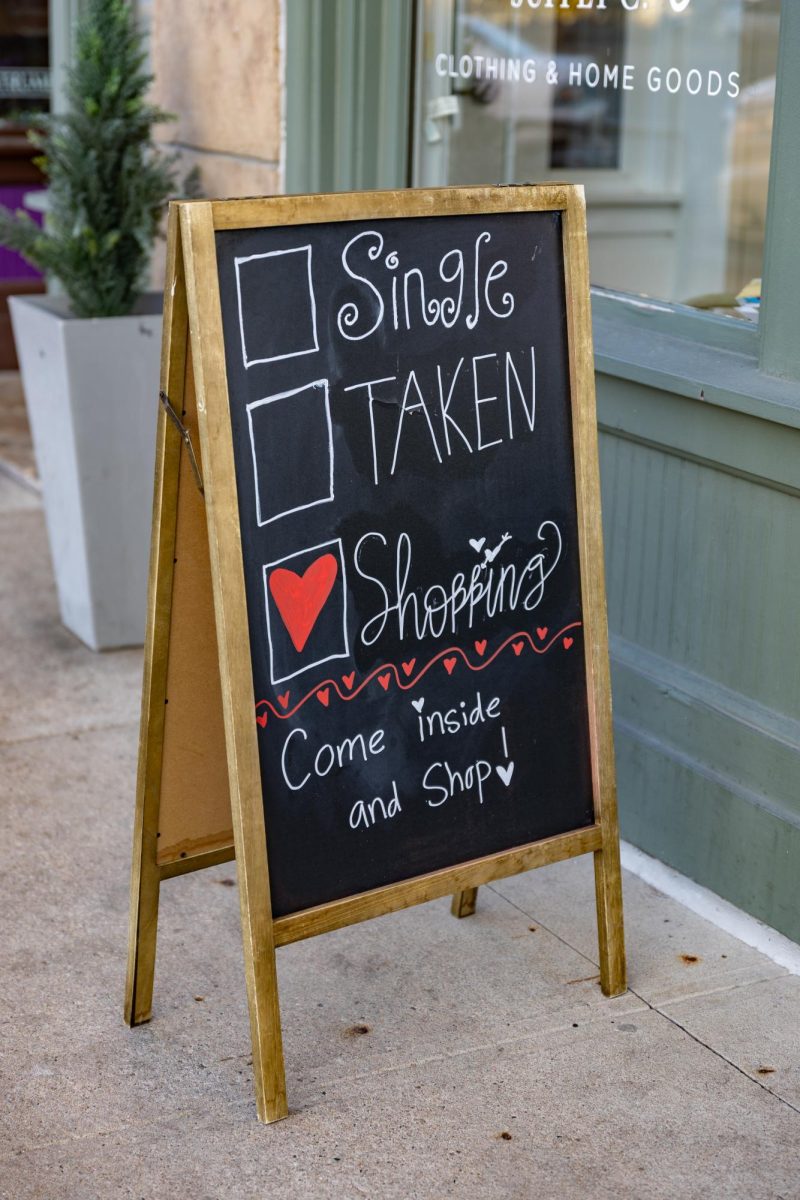
The Center for Strategic Communication at Montclair University studied the increased commercialization of the holiday and how that relates to social media landscapes. One data set they conducted was searching “Valentine’s Day” on social media apps and viewing which keywords were associated with the holiday. In their research, they found that the term most associated with the day was “shop” and was identified 131% more often than the term “love.”
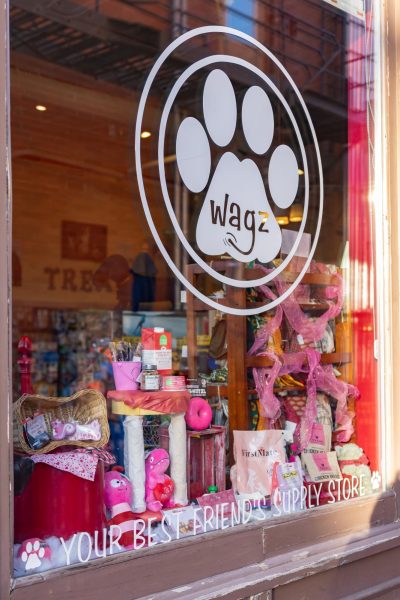
Their study also included that Valentine’s Day messages not only targeted partners, but catered to singles. Popular hashtags included, “#selflove,” and “#selfcare.”
Digital advertisements disrupt nearly every facet of daily life, and these Valentine’s Day-targeted ads can become just another promotional annoyance. Ignoring them or rolling your eyes when scrolling past them on your screen, one discredits the power of the cultural rituals and the broader collective.
Slejko offered that “A lot of what Valentine’s Day does is appeal to our need for love, belonging, and connection with other people. Obviously, businesses have an opportunity to meet that need. And clearly, since there’s such a large business around Valentine’s Day, consumers do get some value from it; otherwise, they would not participate.”
Society today is plagued by expectations of purchasing or gifting love to others, and Valentine’s Day acts as the catapult for this assumption. But like consumer trends shifted in the 20th century, consumer trends are shifting again, and this time with a larger focus on sustainability and genuine connectedness. Additionally, younger generations are stepping away from relationship norms that characterized the past and expanding their reach of affection to friends, groups, and even themselves.
“One thing that’s really changing a lot, driven by younger generations, of course, is ways to be more sustainable, the DIY culture, and even the solo movement… all these trends are kind of changing, yet Valentine’s Day is still celebrated, so I think it provides another opportunity for consumers to maybe participate in purchasing but also participate in other activities that bring people together,” Slejko said.
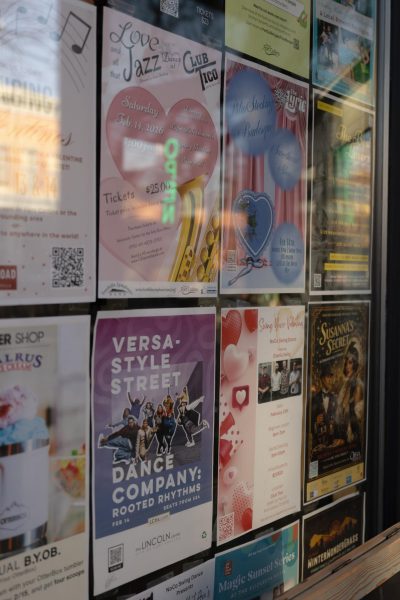
Community events, the prioritization of friendships over partnerships, and the awareness of self-love have drastically reshaped how Valentine’s Day is celebrated amongst the younger generation. Even Fort Collins businesses and groups are using the holiday as a way to gather together in community. From pressed flower art workshops to themed workout classes to romantic cooking classes, collective behavior reflects the demand for togetherness over isolated partnerships.
“I think those social trends are helping reshape what Valentine’s is, and that’s great. It’s a holiday that consumers are ultimately going to shape through their dollars and how they spend their money,” Slejko added.
At the end of the day consumers have the power to shape the market—and especially the holiday market. Commercialization may seem to have squeezed out all the love that is left for the holiday, but trends are changing, and Valentine’s Day has grown to mean a whole lot more today than it did in the 17th century.
The holidays, and even Valentine’s Day, do not demand the consumer’s participation, but rather it is the consumer who willingly chooses to participate in these often monetary or traditional ways of expressing admiration. We participate because we like the candy hearts, we like the momentos, we like the tradition, and most of all, as humans, we need to find ways to display our love for each other.