The first semester of college can be intimidating and confusing, but Colorado State University has resources for new and incoming students that are designed to help with the transition to college, such as the Key Communities program.
The Key Communities focus on creating a welcoming environment that specifically tailors to each students’ strengths. Students of the Key program engage in various activities, including seminars, cluster events and service opportunities that help foster community among students.
As part of the Key program, students have a peer mentor, who is an experienced CSU student that they meet with throughout the year, and who they can use as an additional resource if they need help.
“As a result, I found myself having to take multiple more science classes which threw off my schedule moving forward,” former Key mentor Ella Draper said. “I was inspired to become a Key mentor because I knew people who had been in Key their freshman year, and I had heard all good things from their experience … I had my fair share of challenges freshman year that I was able to overcome – by sharing my experience, I could help others.”
Draper said she was often involved with guiding students through difficult classes. When students came to her for advice, she encouraged students to set up communications with their professor. “Building good relationships with your professor, especially in difficult classes, is the best step towards success.” Draper said.
Professor Jen Johnson, who works with the Key program, said that one of the biggest invisible hurdles for freshmen is managing time efficiently, and added that students face large structural shifts. While in high school, students’ schedules are often tightly structured, but college schedules can have large amounts of free time between or before classes.
“That freedom can be misleading because much of the real work of college happens outside the classroom,” Johnson said. “College courses may also have fewer small, graded assignments and place more weight on major exams or projects. As a result, students sometimes do not receive clear feedback about how they are doing until after the first exam — and that can be a rude awakening.”
To help mitigate this, Johnson said she recommends building a stable routine from the moment you move in, such as blocking certain times in your day for exercising, resting and studying for class. If the first exam doesn’t go well, she recommends not panicking, but to seek help and resources immediately.
Difficulty with academics is often a part of a freshman experience, but creating a new social network can be just as hard.
“My biggest piece of advice is to put yourself in situations where meeting people can happen naturally,” Johnson said. “If you’re living in a residence hall, keep your door open when you’re around. It may seem like a small thing, but it’s an invitation for people to stop by and say hello.”
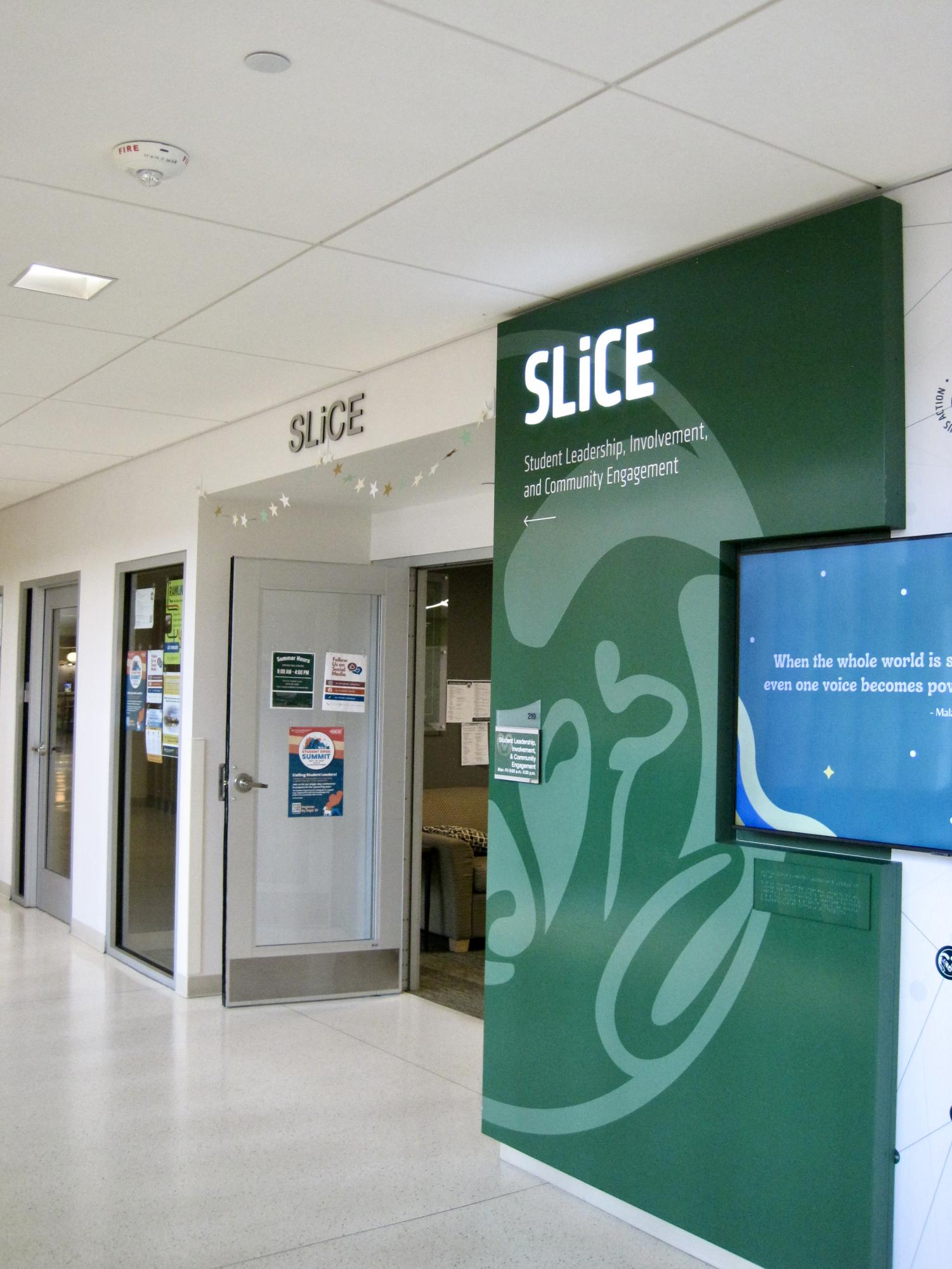
Additionally, Johnson encourages students to attend events organized by their resident assistant, visit the SLiCE office and go to the involvement fair. Student organizations in particular can be a good place to find others with shared interests.
“The hardest part is just showing up,” Johnson said. “In many ways that’s 99% of the challenge. If you can be brave for a moment and take that first step, it often opens the door to new friendships, a sense of belonging, and a community that can make college feel much smaller.”
In regards to balancing social life with school, Draper said the most important thing to know is that there is time for both, but one can never come at the expense of the other. “I have witnessed both sides of that, from prioritizing my social life over academics in the past and seeing my peers sacrifice a social life for all A’s,” Draper said.
Draper said a recommendation for new students is to prioritize school work at the start of the semester in order to understand how much time is needed to be academically successful, and then build in time for socializing around that.
“It may be easy to fall into hanging out with friends and going out every opportunity you get, but learning how to ‘sit this one out’ and leave yourself time and energy for school is such a great habit that will carry you through college,” Draper said.
During college there are often unexpected life disruptions that can be difficult to navigate. Johnson recalled having a first year student who experienced a serious medical emergency and had to miss a large amount of class.
“One of the most valuable resources in that situation was CSU Student Case Management,” Johnson said. “Case managers helped the student communicate with professors, understand their options, and connect with additional campus resources … with support, flexibility, and persistence, the student was able not only to get through the semester but also to rebuild confidence and develop skills for advocating for themselves.”
Johnson explained that ultimately she wants any new student to know asking for help is a form of taking responsibility, not a sign of failure.
“Difficult circumstances do not have to define their college experience,” Johnson said. “Reaching out early can help students move from simply surviving a difficult period to feeling supported, capable and ready to thrive.”